
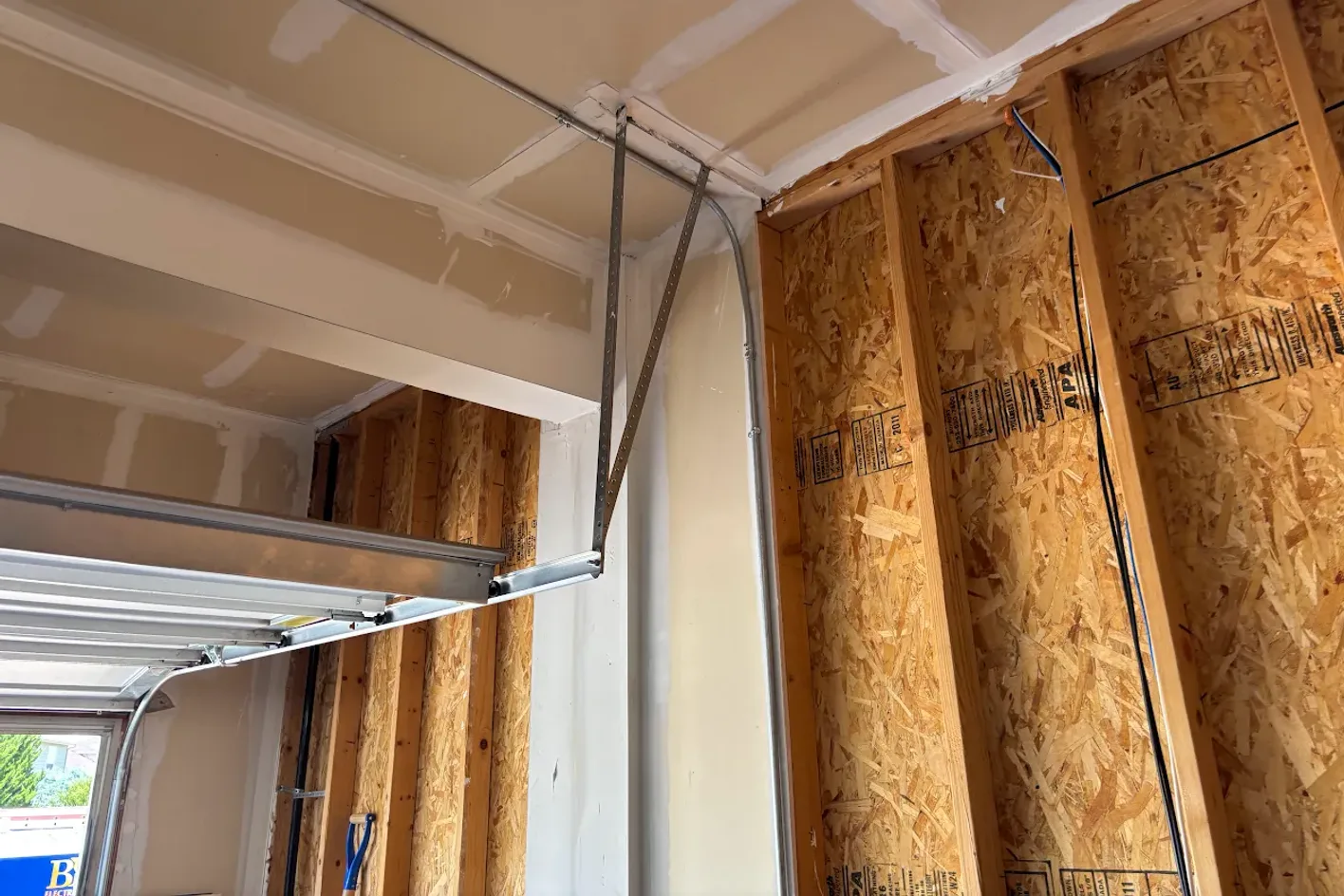
Most Level 2 home charger installations in the Denver Metro run between $800 and $2,200, installed. That range is wide because the charger itself is the easy part. What you are really paying for is the circuit that feeds it, and every house has a different distance and a different panel to work with.
What sets the price
Four things move the number more than anything else.
- Distance from the panel. A charger on the garage wall next to the panel needs a few feet of cable. A charger at the far end of a detached garage, or on the opposite side of the house, needs a long run of conduit and heavier wire, and sometimes trenching.
- Panel capacity. A 200 amp panel with spare room takes a charger easily. An older 100 amp panel that is already busy may need a load-management device or an upgrade first, and an upgrade is its own job with its own permit.
- The circuit. Most chargers run on a dedicated 240 volt circuit with a 50 or 60 amp breaker. A longer run needs a heavier wire to avoid losing voltage on the way.
- The charger. Tesla Wall Connector, ChargePoint, Wallbox, and others all work. The price spread between a basic unit and one with a screen and app features is a few hundred dollars.
Why the load calculation comes first
A charger can draw 40 amps or more for hours at a stretch. Put that on a panel that is already close to its limit and one of two things happens: the main breaker trips at dinner time, or the panel runs hot for hours. A load calculation adds up what the house already uses and shows whether the panel can take the charger.
If it cannot, there are two ways out. A load-management device throttles the charger when the rest of the house is busy, which is often far cheaper than a service upgrade. Or the panel and service get upgraded. Which one makes sense depends on how you actually use power. Our EV charger installation page covers how we size it.
The permit and inspection are part of the price
A Level 2 install needs an electrical permit and an inspection in Colorado, and the office depends on where you live: the Town of Castle Rock, the City of Centennial, Douglas County for Highlands Ranch, and so on. A licensed contractor pulls the permit and books the inspection. Skipping it can cause trouble with your homeowner's insurance, and it tends to surface when you sell the house.
When you compare quotes, ask whether the permit is included. If one quote leaves it out, it is not the same job.
What changed with rebates
Incentives for home charging have shifted. The federal tax credit for home chargers, 30% of the cost up to $1,000, ended on June 30, 2026, and only equipment placed in service by that date qualified. The IRS page for the credit has the details.
Utility and state programs change more often. Xcel Energy has offered rebates tied to home charging wiring and managed-charging programs, and Colorado has run its own incentives at different times. Check xcelenergy.com for what is open right now, and treat any rebate figure that is more than a few months old with suspicion.
How to compare two quotes
A quote that looks $400 cheaper is often a different job. Ask each contractor four things: how long is the cable run, is the permit and inspection included, was a load calculation done, and what breaker size and wire are being installed. One quote might include the permit and a long run to the far wall. The other might assume the charger sits next to the panel and leave the permit to you.
We install chargers across the south Denver Metro, including Castle Rock, Highlands Ranch, Lone Tree, and Centennial. To get a price for your house, call (303) 699-1417 or request a visit online. The quote is based on the actual run and your actual panel, not an average.