
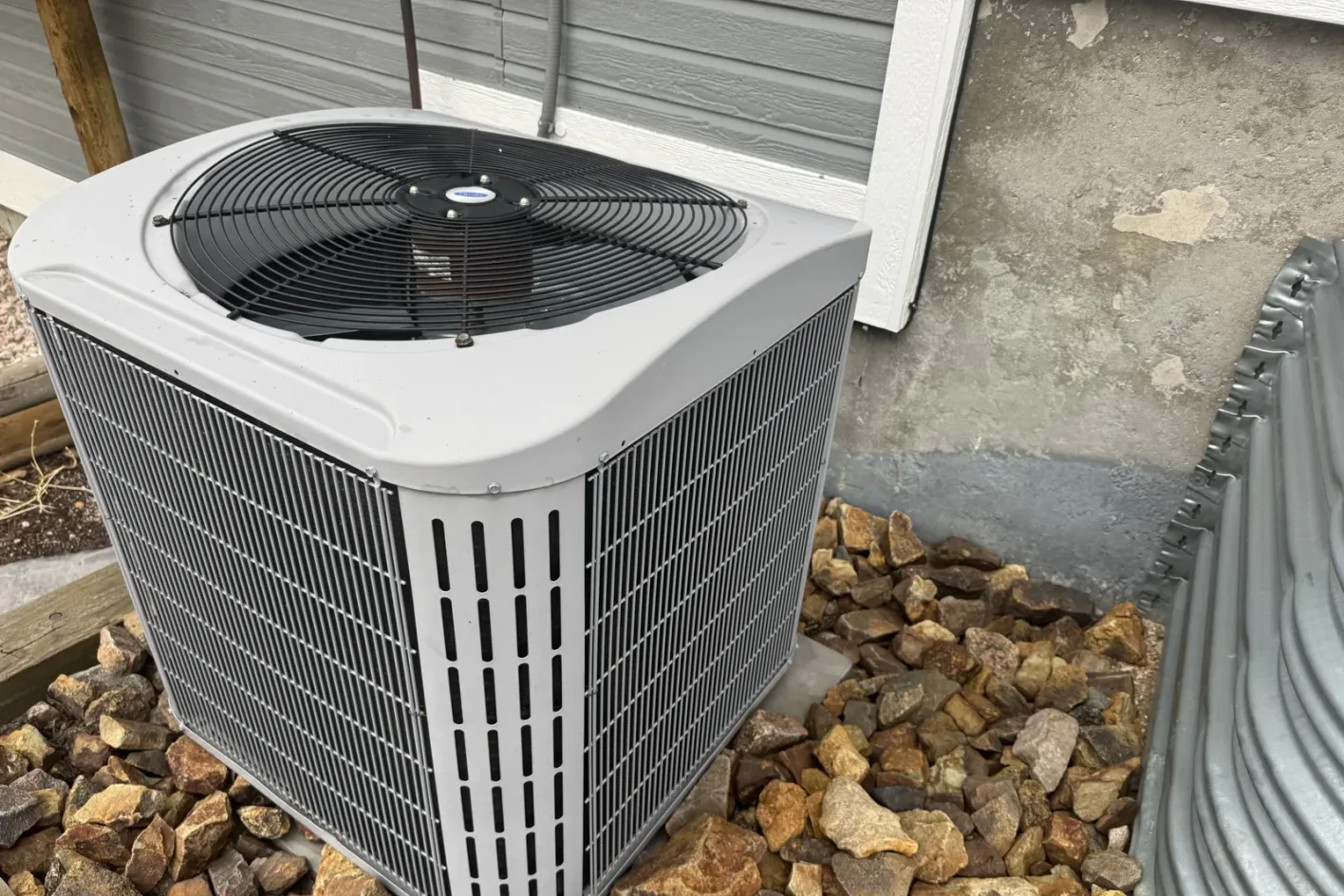
A year ago, a post about heat pump incentives would have been about stacking several credits together. That has changed. The federal heat pump tax credit ended with the 2025 tax year, and what is left is smaller and moves around more. This is where things stand as of October 2026, and what we would tell a neighbor who asked.
What ended
The federal Energy Efficient Home Improvement Credit, often called 25C, covered up to $2,000 a year for a qualifying heat pump. It applied to equipment installed through the end of 2025. Heat pumps installed in 2026 do not qualify, and the IRS page for the credit says so directly.
If anyone quotes you a federal credit on a 2026 install, ask them to show you where it comes from. Plenty of older web pages still promise credits that no longer exist.
What may still help
Xcel Energy rebates. Xcel has rebates for qualifying heat pumps, and they depend on the type of equipment and how it performs in cold weather. The amounts and rules have changed more than once in the last few years, so check xcelenergy.com for the current ones instead of trusting a number from an article, this one included.
Colorado programs. The state runs a heat pump tax credit that is applied as a discount at installation through contractors registered with the Colorado Energy Office. Its income-based home electrification rebate for single-family homes stopped taking applications in 2026, according to the Energy Office, though that program may reopen or change. The Colorado Energy Office keeps the current status.
We confirm what applies to each project before any equipment is ordered, because the answer depends on the equipment, the household, and what is open that month.
What a heat pump costs before incentives
A whole-home ducted cold-climate heat pump typically runs $14,000 to $22,000 installed. A ductless mini-split for a single zone starts around $5,500. These are installed prices before any rebate, and they swing with the size of the home, the condition of the existing ductwork, and the electrical work needed. Our heat pump page has more on how we size a system.
Is it still worth it without the federal credit?
Sometimes, and it depends on what you are replacing. The strongest case is an air conditioner that is near the end of its life. A heat pump replaces the AC and also heats, so you are not buying a cooling system and then a separate heating system a few years later. The weakest case is a young, efficient gas furnace in a house with cheap gas. Switching it out is hard to justify on cost alone.
Cold-climate heat pumps keep heating well below freezing, but some homes are better served by a dual-fuel setup, a heat pump paired with a high-efficiency gas furnace as backup for the coldest nights. The honest way to decide is to compare your current gas and electric rates against the system you are considering, for your actual house. We will run that comparison and tell you plainly if the numbers do not favor a heat pump.
Before you sign anything
Ask which incentives the quote assumes, and ask where each one is published. If the answer is a federal credit, that part is out. Check that a load calculation was done for your home, since oversized equipment wastes money, and ask whether the panel can handle the new load or needs work first.
If you are replacing a furnace or AC and want the numbers for your house, see our heating services or call (303) 699-1417. We cover Castle Rock, Centennial, Lone Tree, and the rest of the south Denver Metro.